The SEO Proposal Template That Wins Clients (Without Starting From Scratch)
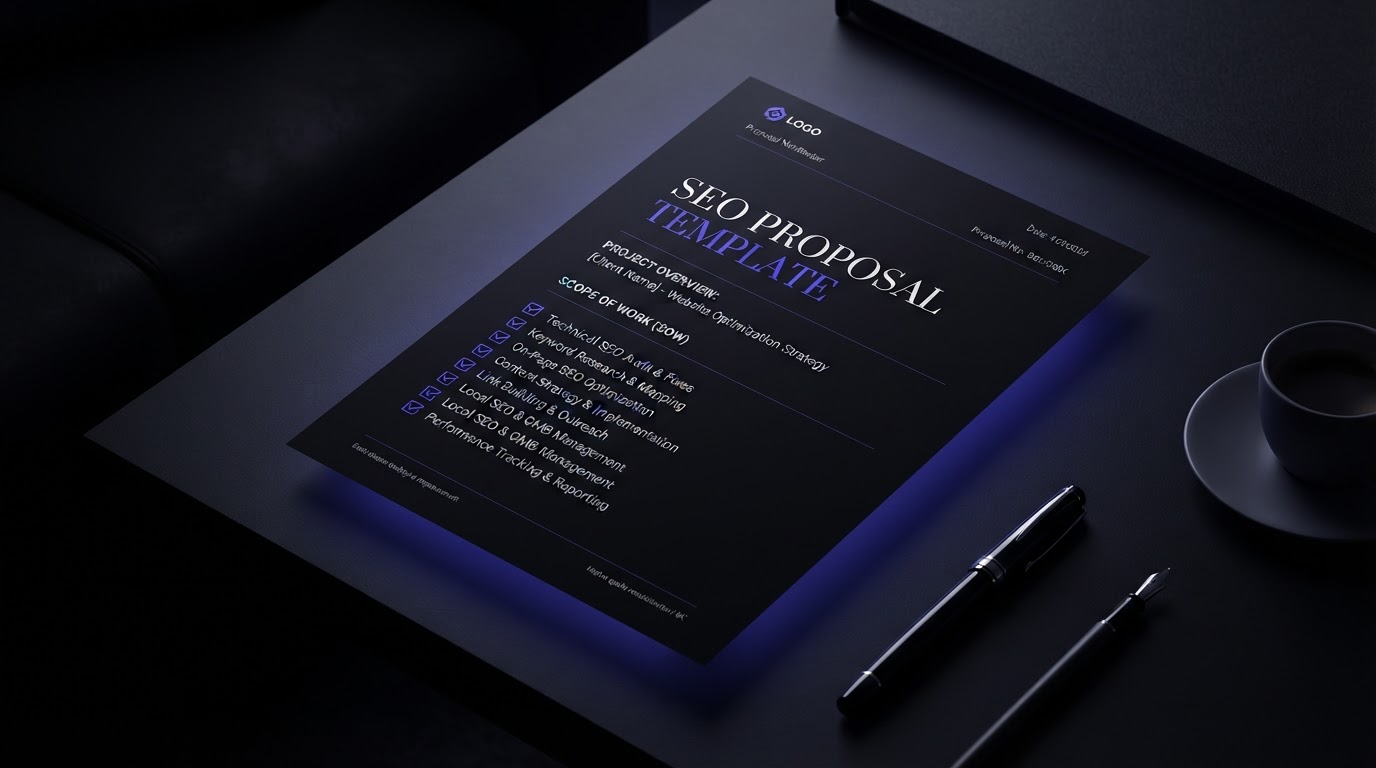
An SEO proposal should not be a long document full of generic services. It should show the client that you understand their situation, can prioritize the right work, and have a clear process for turning SEO opportunities into deliverables.
Quick answer: A strong SEO proposal template should include the client's goals, current problems, key opportunities, recommended strategy, deliverables, timeline, reporting plan, responsibilities, pricing, and next steps. The best proposals are specific enough to feel tailored and structured enough to reuse across clients.
- Start with the client's goals and business context.
- Summarize the main SEO problems or opportunities.
- Explain your recommended strategy in plain language.
- List deliverables, timeline, and responsibilities.
- Show how progress will be measured.
- Close with pricing, scope, and next steps.
What Is an SEO Proposal?
An SEO proposal is a sales and strategy document that explains how you would help a potential client improve organic visibility, traffic quality, content performance, technical health, and business outcomes.
The proposal should make the client feel understood. It should also show that your process is structured, realistic, and tied to their goals.
SEO proposal vs SEO audit
An SEO audit diagnoses problems. An SEO proposal explains how you will solve the right problems, what work is included, what the client needs to provide, and how success will be reviewed.
SEO proposal vs scope of work
A proposal persuades and frames the work. A scope of work defines exact deliverables, timelines, terms, and responsibilities. Many freelancers and agencies combine both, but the proposal should still be readable and client-friendly.
Why Do SEO Proposals Fail?
SEO proposals fail when they feel generic, unclear, too technical, or disconnected from the client's business. A client does not only want to know that you can do SEO. They want to know why your plan fits their situation.
Common proposal mistakes
- Listing services without explaining priorities.
- Using the same pitch for every client.
- Promising outcomes that cannot be responsibly guaranteed.
- Skipping the client's audience, offer, and sales context.
- Making deliverables vague.
- Hiding responsibilities until after the client signs.
- Failing to explain how progress will be measured.
The SEO Proposal Template
Use this structure when pitching SEO retainers, content programs, audits, consulting projects, or implementation work.
| Section | Purpose | What to include |
|---|---|---|
| Executive summary | Frame the opportunity | Main goal, current gap, recommended direction |
| Client goals | Show alignment | Revenue goals, lead goals, priority products, market focus |
| Current SEO situation | Explain the problem | Traffic gaps, content gaps, technical issues, ranking constraints |
| Recommended strategy | Show the path forward | Content plan, technical priorities, internal links, reporting |
| Deliverables | Define the work | Audits, briefs, pages, reports, meetings, implementation |
| Timeline | Set expectations | First 30 days, monthly cadence, review points |
| Pricing | Make the offer clear | Packages, retainer, project price, optional add-ons |
| Next steps | Move the deal forward | Approval, contract, kickoff, access, first deliverables |
What Should Each Proposal Section Include?
Executive summary
Open with a short summary of what the client wants, what is currently holding them back, and what you recommend. Keep it specific to their business.
Client goals and context
Restate what you learned during discovery: target audience, priority services, important products, lead quality concerns, geographic focus, or growth constraints.
Current SEO situation
Show the problems that matter most. This might include thin service pages, weak internal links, outdated content, unclear search intent, technical crawl issues, poor brief quality, or missing topical coverage.
Recommended strategy
Explain your strategy in plain language. Avoid turning this into a list of SEO buzzwords. The client should understand the logic behind the plan.
Deliverables
Make the work concrete. If you include content strategy, state how many briefs, outlines, refreshes, reviews, or content plans are included.
Timeline
Show what happens first, what happens monthly, and when the client will review progress. SEO timelines should be realistic and easy to follow.
Reporting plan
Explain how you will report progress. Mention what metrics will be reviewed and how often the client will receive updates.
How Should You Present Pricing and Scope?
Pricing should be easy to understand. If the client has to decode what is included, the proposal creates friction.
Use packages when possible
Packages help clients compare scope. For example, you might offer an SEO audit package, a content strategy package, and a monthly content workflow package.
Name exclusions clearly
List what is not included: development work, copywriting, design, CMS publishing, backlink outreach, extra meetings, or legal review. Clear exclusions prevent awkward scope conversations later.
Separate required and optional work
Some recommendations may be important but not urgent. Use optional add-ons to show opportunities without bloating the core proposal.
| Pricing section | What to clarify | Why it helps |
|---|---|---|
| Core offer | Main deliverables and cadence | Shows exactly what the client buys |
| Optional add-ons | Extra briefs, audits, implementation, reporting | Creates upsell paths without confusing the main scope |
| Client responsibilities | Access, approvals, SME input, publishing | Prevents blocked delivery |
| Exclusions | Work not included in the price | Protects margin and expectations |
How Do Content Briefs Strengthen an SEO Proposal?
If your SEO proposal includes content, show the client that content production will not be random. A structured content brief process makes your proposal more credible because it connects strategy to execution.
A proposal can mention that every SEO content piece will include:
- Primary keyword and search intent.
- Article angle and audience need.
- Outline and section structure.
- Internal links and CTA mapping.
- Examples, expert input, and review criteria.
- Publishing and refresh notes.
This is where SEO Content Brief OS can support freelancers and agencies. It gives you a structured Notion workflow for turning keyword research and client context into repeatable SEO briefs, outlines, review checklists, and content production records.
SEO Proposal Example Structure
Here is a simple proposal flow you can adapt.
- Title page: client name, project name, date, and your contact details.
- Executive summary: the opportunity and recommended direction.
- What we found: key SEO issues and opportunities from discovery.
- Recommended plan: the strategy broken into clear workstreams.
- Deliverables: exact outputs included in the engagement.
- Timeline: first month and ongoing cadence.
- Measurement: how progress will be reported.
- Investment: pricing, terms, and optional add-ons.
- Next steps: approval, contract, onboarding, and kickoff.
For more systems that support content planning and client delivery, browse the SEO Content Briefs blog.
SEO Proposal Checklist
Before sending an SEO proposal, review it against this checklist.
- The proposal references the client's specific goals.
- The current SEO problems are explained in plain language.
- The recommended strategy is prioritized, not generic.
- Deliverables are concrete and measurable.
- Content work includes briefs, internal links, and review criteria.
- The timeline is realistic.
- Reporting expectations are clear.
- Client responsibilities are listed.
- Exclusions are named.
- Pricing is easy to understand.
- The next step is obvious.
If you want to organize your proposal inputs, client notes, and content workflow in Notion, start with the free AI Notion setup guide.
FAQ
What is an SEO proposal template?
An SEO proposal template is a reusable structure for pitching SEO work to potential clients, including goals, problems, strategy, deliverables, timeline, reporting, pricing, and next steps.
What should an SEO proposal include?
An SEO proposal should include an executive summary, client goals, current SEO situation, recommended strategy, deliverables, timeline, measurement plan, pricing, responsibilities, and next steps.
How long should an SEO proposal be?
An SEO proposal should be long enough to explain the opportunity and scope clearly, but short enough for the client to understand quickly. Many effective proposals are 6 to 12 pages.
Should SEO proposals include pricing?
Yes. Clear pricing helps the client understand the investment, compare options, and move toward a decision. Include scope, exclusions, and optional add-ons where relevant.
How do freelancers make SEO proposals more persuasive?
Freelancers make proposals more persuasive by tailoring the diagnosis, connecting recommendations to business goals, making deliverables concrete, and showing a repeatable process.
How does SEO Content Brief OS help after a proposal is accepted?
SEO Content Brief OS helps turn the approved content strategy into structured briefs, outlines, internal link plans, review checklists, and editorial workflow records inside Notion.
Next Step
A strong SEO proposal does more than sell services. It shows the client how the work will move from strategy to execution.
You can use SEO Content Brief OS to organize the content delivery side after a proposal is accepted, or explore the Complete AI SEO Bundle if you want planning and automation together.
Related Reading
Ready to brief smarter?
Turn any keyword into an agency-grade content brief in 15 minutes. One-time payment.
GET THE COMPLETE BUNDLE — $37 →

